Is Franklin better when your morning starts on a brick-lined Main Street or from a sunny porch in a newer neighborhood with a trail out your back door? If you are exploring Franklin from afar, it can be hard to picture the day-to-day differences between historic downtown and the newer master-planned communities that ring the city. You want character, convenience, and smart value, and you do not want surprises after you close. This guide breaks down how each lifestyle actually feels, plus the practical details that matter most. Let’s dive in.
Historic downtown lifestyle
Architecture and home styles
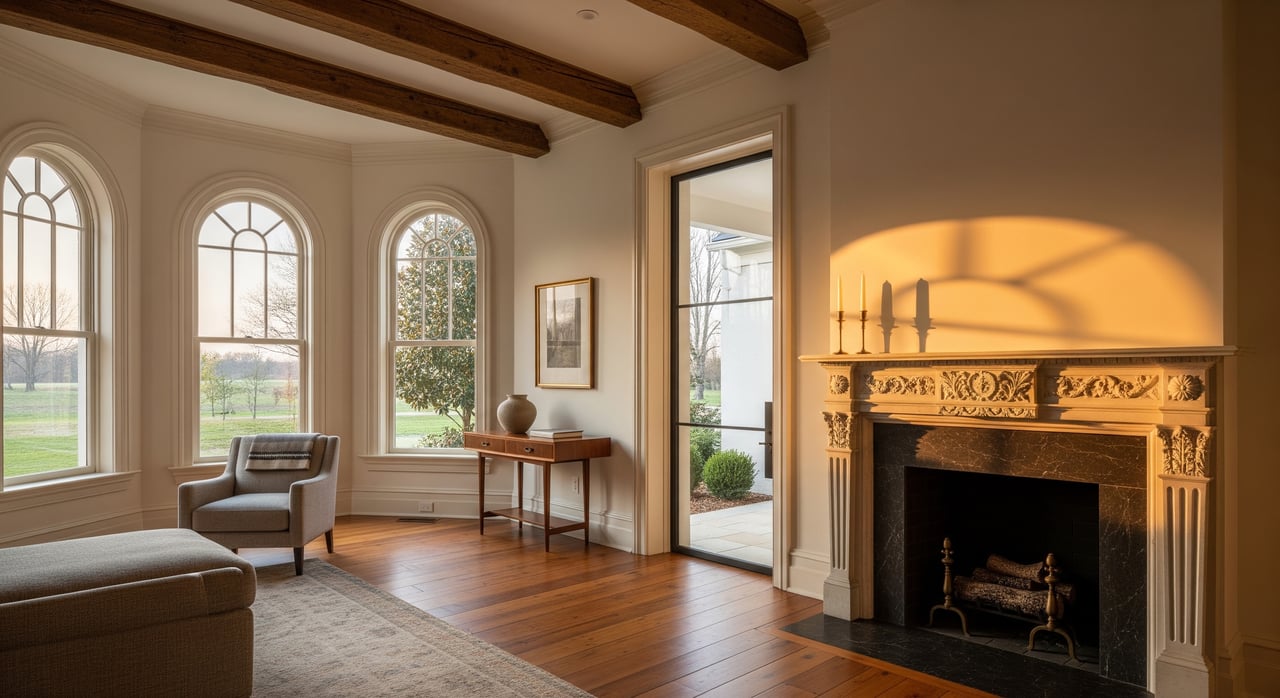
Historic downtown Franklin showcases 19th and early 20th century charm: Victorians, bungalows, and cottages on tree-lined streets. Many properties have original details, unique floorplans, and varying levels of renovation. You will find character in spades, along with thoughtful updates that respect the era of each home.
Walkable days and nights
Downtown is Franklin’s most walkable area. Coffee, boutiques, galleries, and live music cluster along Main Street and the surrounding blocks. Regular festivals and seasonal events keep the sidewalks lively. For an overview of local happenings and attractions, explore the event listings from Visit Franklin.
Culture and history on your doorstep
If you value local history and programming, downtown delivers. Civil War sites like Carnton, Carter House, and Lotz House are part of the area’s cultural fabric. You can learn more through the Battle of Franklin Trust. The restored Franklin Theatre anchors Main Street with concerts and films, giving you a classic venue just a short stroll away.
Preservation and projects
Much of downtown sits within historic overlay districts. Exterior changes often require design review to preserve neighborhood character. Before planning a renovation, review the city’s historic preservation resources on the City of Franklin website and talk with the planning department about timelines and approvals.
Parking and pace
Narrower streets, popular restaurants, and frequent events mean parking can be tight, especially on weekends. Daily life favors walking or biking for errands close to home. If you expect frequent guests or multiple vehicles, consider on-street parking rules and driveway space when you evaluate listings.
Newer master-planned living
Modern homes and layouts
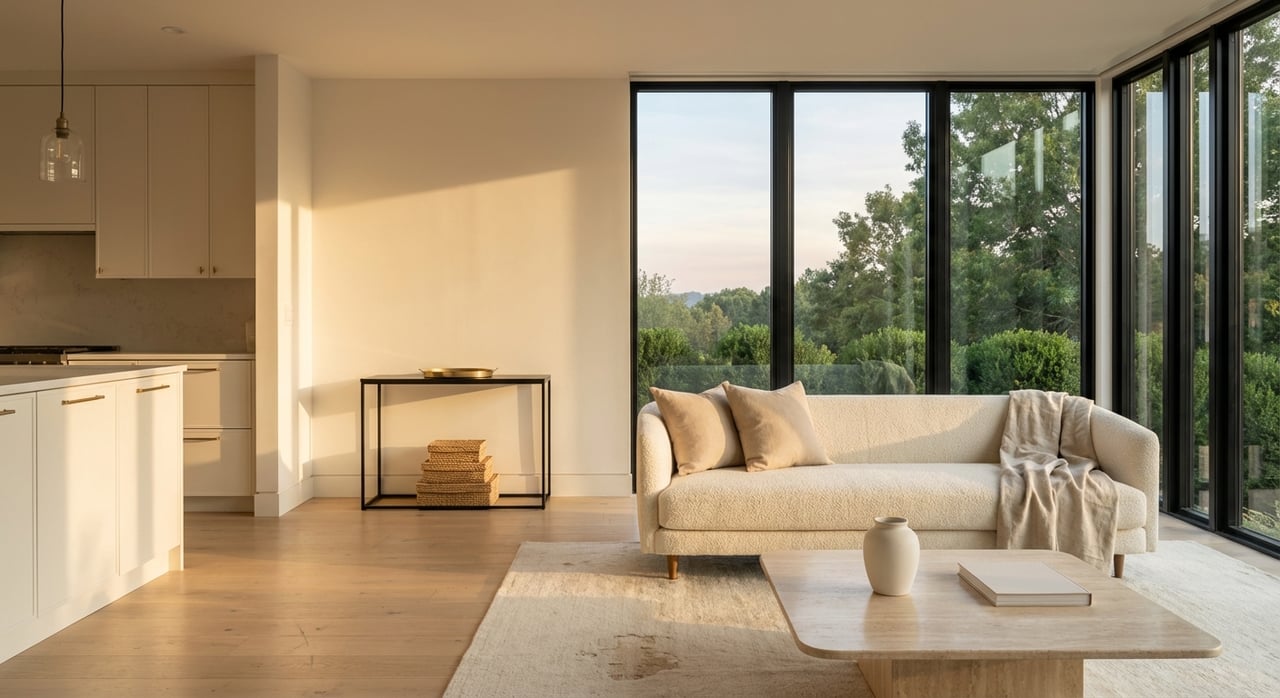
Franklin’s newer communities often feature open-concept floorplans, larger kitchens, generous primary suites, and energy-efficient systems. You will see a mix of single-family homes and townhomes, plus modern garages and storage that make daily life easier. Lots are often larger than downtown, and homes are designed for today’s lifestyles.
Neighborhood amenities
Many master-planned neighborhoods offer pools, trails, playgrounds, pocket parks, and fitness centers. Community calendars can include farmers markets, concerts, or holiday gatherings. Shopping centers, grocery stores, and medical offices are typically a short drive away, especially near the Cool Springs corridor.
HOA rules and costs
Homeowner associations are common. HOAs maintain amenities and common areas, and they set standards for exterior changes. Dues and rules vary by community, so you should review CC&Rs, fee schedules, and any architectural guidelines before you make an offer.
Mobility and errands
Most master-planned areas are less walkable for daily errands than downtown. You will likely drive for groceries, school drop-offs, and commuting. Many neighborhoods still include sidewalks and multi-use trails for exercise and local connection, even if the broader area is car focused.
Practical tradeoffs to compare
- Space and storage: Newer homes usually offer larger bedrooms, closets, and garages. Downtown homes trade size for personality and location.
- Walkability vs. drive time: Downtown excels at walkable dining and entertainment. Newer communities prioritize a quick drive to retail corridors and major roads.
- Renovation and rules: Historic overlays can add steps to exterior projects. Newer areas rely on HOA guidelines for consistency.
- Maintenance expectations: Older homes may need system updates. Newer construction can include energy-efficient features and builder warranties.
- Budget patterns: Both settings can command premiums. Historic proximity and charm influence price downtown, while size, finishes, and amenities shape pricing in newer neighborhoods.
- Character and vibe: Downtown offers a vibrant, historic streetscape. Master-planned areas deliver predictability, amenities, and a neighborhood feel by design.
Daily life in Franklin
Commute and connectivity
Franklin sits about 20 to 25 miles south of downtown Nashville. Most residents drive, and typical commute times range from roughly 20 to 45 minutes depending on your exact location and traffic. Major arteries include I-65, US-31, and local connectors like Carothers Parkway in Cool Springs. For regional road updates and projects, browse Tennessee Department of Transportation resources. Public transit options are limited compared with larger metros.
Schools and boundaries
School quality is a major draw for many buyers. Franklin is served by Williamson County Schools and, in parts of the city, the Franklin Special School District for K through 8. School assignments depend on your address, and boundaries can change with growth. Confirm zones and current information directly with Williamson County Schools and the Franklin Special School District before you decide on a home.
Taxes, insurance, and costs
Tennessee does not tax wage income, which can affect overall cost of living calculations. Property taxes are set by the county and city. You can review rates, assessments, and other cost details with the Williamson County government. If you are considering a property near the Harpeth River or local creeks, review floodplain information through the FEMA Flood Map Service Center for parcel-specific guidance.
Parks, greenways, and weekend fun
Franklin blends city energy with outdoor access. You can enjoy festivals and live music downtown, then head to regional parks, greenways, and the Harpeth River for paddling and fishing. Historic Harlinsdale Farm offers open fields, events, and equestrian areas. Many newer neighborhoods add their own internal trails and pocket parks for quick outings.
Which Franklin fits you
- Define your top three priorities. For example, walkable lifestyle, newer systems, or more space at home.
- Test your commute at your typical drive time. Map your exact route to I-65 and alternative arterials.
- Review the rules. If you plan exterior changes, check historic overlays downtown or HOA guidelines in newer communities.
- Model total monthly costs. Consider taxes, HOA dues, utilities, and potential maintenance or renovation budgets.
- Tour both options back-to-back. Walk Main Street during an event weekend, then visit a master-planned community on a weeknight to compare feel and convenience.
How a design-forward advisor helps
Choosing between historic charm and modern convenience is both personal and technical. You deserve advice that weighs floorplan flow, mechanical systems, preservation rules, and HOA covenants right alongside lifestyle. With a background in design and experience with national homebuilders, you get clear guidance on renovations, upgrades, energy-efficient features, and long-term resale strategy. If you are ready to explore Franklin, let’s tailor a plan that fits how you actually live.
Ready to compare homes downtown and in master-planned communities with a clear, step-by-step strategy? Connect with Raven Robinson to start your search.
FAQs
How long is the commute from Franklin to downtown Nashville?
- Typical drive times range from about 20 to 45 minutes depending on your address, traffic, and time of day. Check routes using I-65 and US-31, and review road updates through Tennessee Department of Transportation.
What is the difference in walkability between downtown and newer areas?
- Historic downtown Franklin is the most walkable for dining, shopping, and entertainment. Newer master-planned neighborhoods include sidewalks and trails, but most errands will still be a short drive.
What should I know about owning a historic home in Franklin?
- Many historic homes have been updated, yet older systems can require ongoing maintenance. Exterior changes in designated districts may need design review through the City of Franklin, so plan timelines and budgets accordingly.
How do HOA fees work in newer master-planned neighborhoods?
- HOAs fund amenities and common-area upkeep and enforce design standards. Dues and rules vary, so review CC&Rs, fee schedules, and architectural guidelines before you write an offer.
How can I confirm school zones for a specific address in Franklin?
- School assignments depend on your exact address. Verify current boundaries and any planned changes directly with Williamson County Schools and the Franklin Special School District.
Is flood risk a concern near the Harpeth River?
- Some low-lying areas can be in or near floodplains. Always check parcel-specific maps with the FEMA Flood Map Service Center and discuss insurance requirements with your lender and insurer.