You have one chance to make your listing irresistible the moment buyers step through the door. In Green Hills, that means staging that reads as refined, livable luxury without feeling overdone. If you are short on time, the right moves can change how buyers see value, boost showings, and help your home compete at the top of the market. This guide outlines what works in Green Hills, the staging levers that matter, room-by-room priorities, timelines, and a quick-win checklist. Let’s dive in.
What Green Hills buyers expect
Green Hills attracts buyers who value quality finishes, functional floor plans for entertaining and family life, and outdoor living that extends the home. They look for updated kitchens and primary suites, subtle technology, and low-visible maintenance. Style-wise, transitional and contemporary-classic interiors perform well, and warm modern farmhouse elements can resonate.
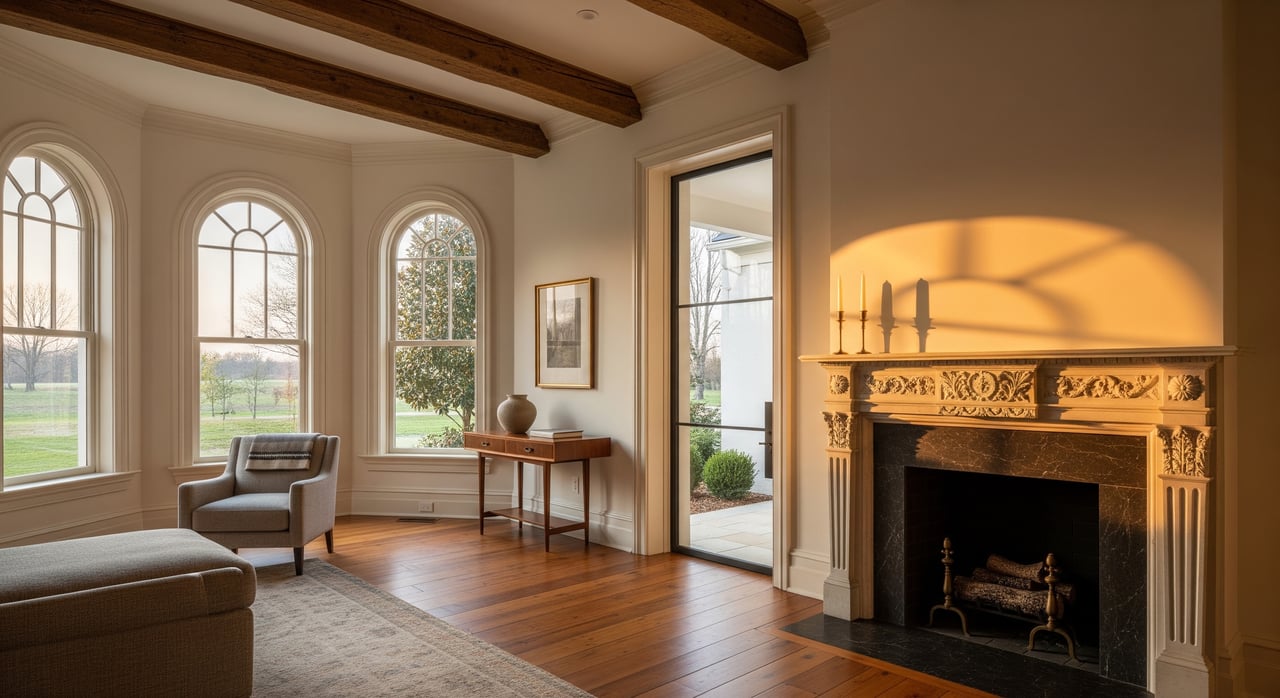
Your goal is to highlight a cared-for home that feels current, flexible, and easy to move into. Preserve period details in older properties while updating surfaces and lighting where it counts. Because Green Hills often sits above metro medians, thoughtful staging and presentation can set the tone for stronger interest.
Four staging levers that signal luxury
Get scale right
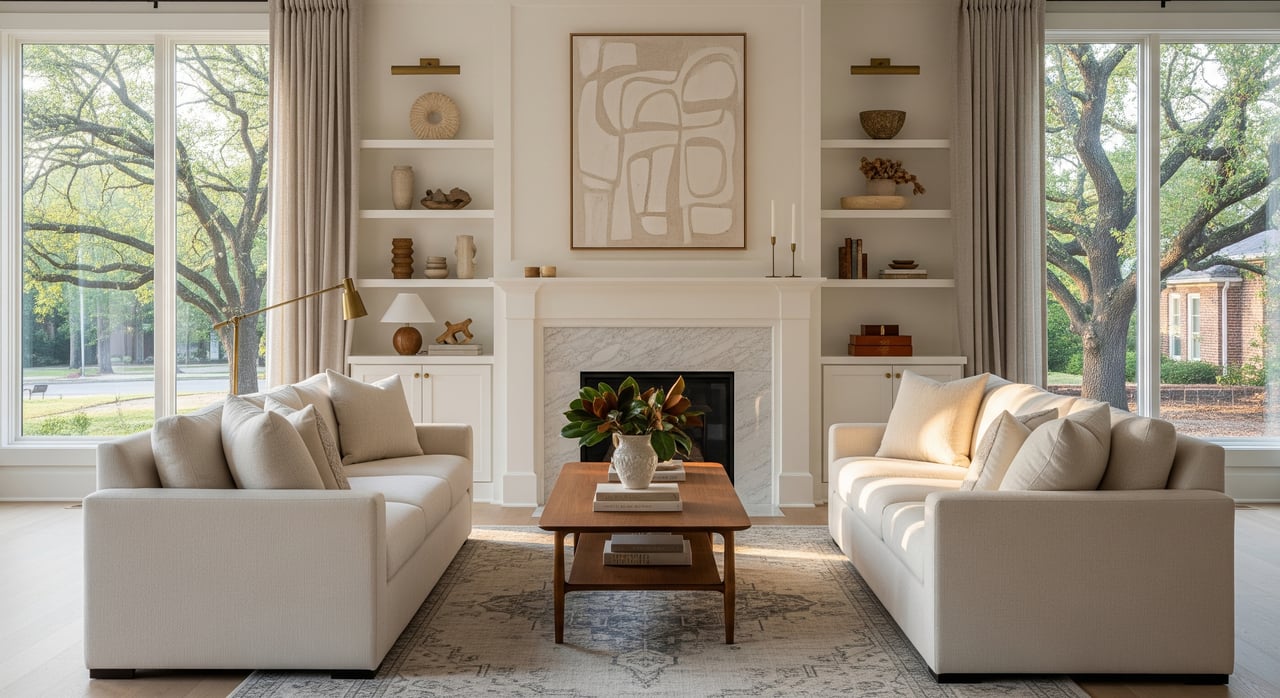
Proportion sells. In large rooms, undersized furniture makes spaces feel cold. In smaller rooms, oversized pieces crowd circulation. Aim for area rugs that anchor seating zones and extend under the front legs of sofas and chairs. Keep clear walkways of about 30 to 36 inches so traffic flow feels effortless.
Create a single focal point in formal rooms, such as a fireplace, view, or architectural detail. Use appropriately scaled seating and art to draw the eye. Avoid the “staged studio” look by layering seating in open living areas with a larger sofa, accent chairs, and a substantial coffee table.
Layer lighting
Luxury reads as bright, warm, and flexible. Combine ambient, task, and accent lighting so each room feels intentional. In living spaces, use warm white bulbs in the 2700 to 3000K range for a welcoming glow. Update dim or dated fixtures with clean, style-appropriate options, and add table or floor lamps where you need more light.
Maximize natural light by cleaning windows and staging blinds and curtains open during showings. If rewiring is not in the cards, plug-in lamps and dimmers can still create the mood buyers want.
Use warm neutrals
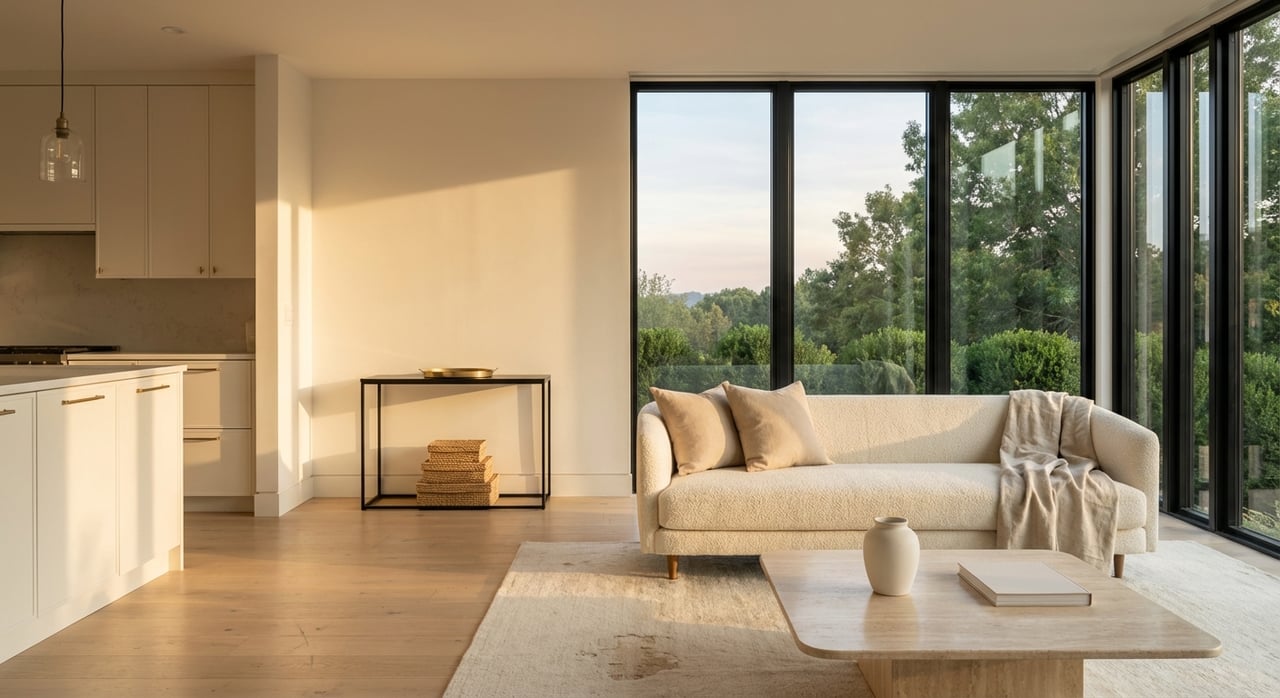
Neutral palettes widen appeal and help buyers visualize their own furnishings. Think layered neutrals with warm undertones: creams, greiges, soft warm grays, and organic textures like linen, wool, leather, and wood. A few metallic accents add depth without feeling flashy.
If bold paint is pulling focus, repaint high-impact areas such as the living room, kitchen, and primary suite in a warm neutral. Style with textured throws and pillows to keep spaces interesting, especially in photography, without overwhelming the eye.
Elevate curb appeal
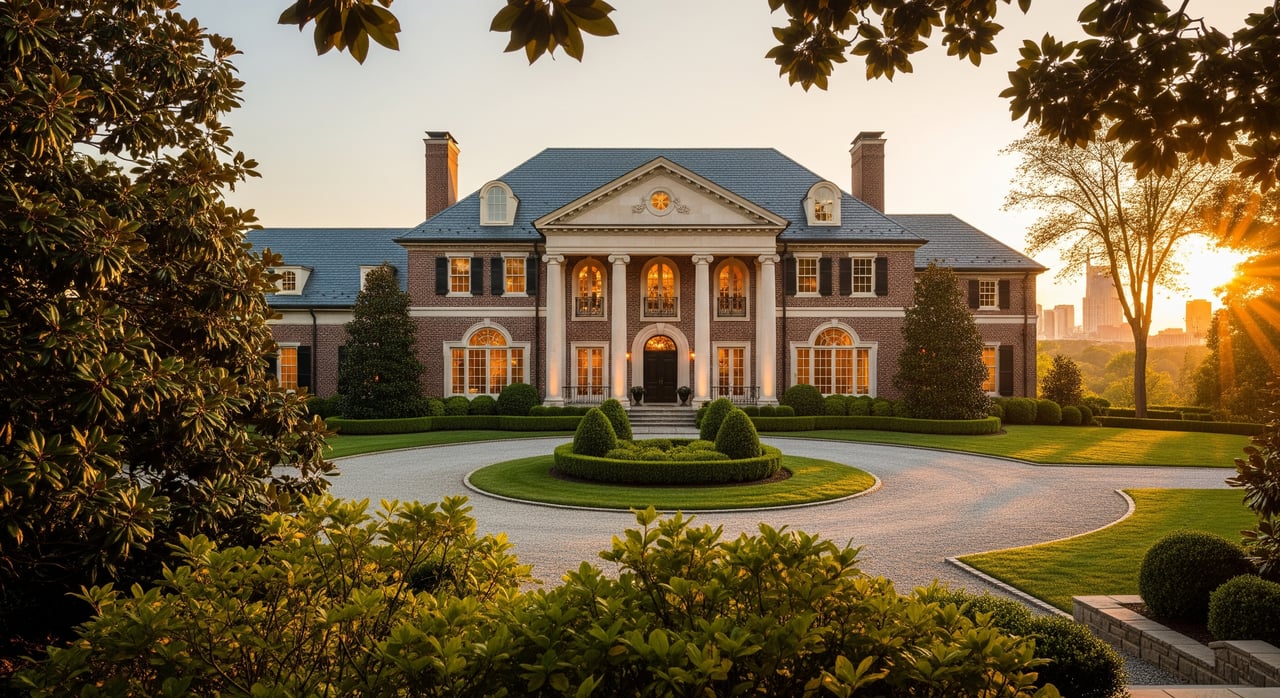
First impressions begin at the street. Power-wash siding and walkways, refresh mulch, prune shrubs, and repair obvious exterior issues like broken gutters or loose shingles. A freshly painted front door, updated house numbers, and clean light fixtures signal care and quality.
Stage outdoor living areas with purposeful seating and a focal accessory. Emphasize privacy, views, or mature trees with tidy beds and clear sightlines. Buyers value outdoor space that reads as an extension of the home.
Room-by-room priorities
Kitchen
- Clear countertops and style with one or two simple vignettes, such as a fruit bowl or a cookbook stack.
- Ensure bright task lighting over the island and prep zones.
- If appliances are dated, consider easy refreshes like new cabinet hardware or a modern faucet to minimize the perception of age.
- For photos, capture wide angles that show the island, flow to dining or family areas, and sightlines to the outdoors.
Primary suite
- Make the bed the focal point with layered, hotel-quality bedding in a calm palette.
- Use matching bedside lamps with warm bulbs and clear the nightstands.
- Stage the closet to show order and space: matching hangers and open sections help.
- Keep floors clear of excess furniture so the room reads larger.
Living and dining
- Arrange seating for conversation and easy traffic flow.
- Define zones with rugs and furniture groupings in open plans.
- In the dining room, style a simple centerpiece and limit place settings so the room feels elegant, not fussy.
Home office or flex space
- Stage a compact, efficient workspace with a desk, task chair, and lamp.
- Highlight natural light or built-ins as productivity features.
- Keep décor minimal so buyers can imagine their setup.
Bathrooms
- Create a spa feel: fresh white towels, minimal counters, and polished fixtures.
- Replace dated lighting or mirrors if it is a simple swap.
- Ensure grout and caulking are clean and consistent.
Outdoor spaces
- Furnish decks and patios with scaled seating that matches the space.
- Add an outdoor rug or seasonal planter for a finished look.
- Keep transitions between indoor and outdoor areas spotless and easy to navigate.
Entry and halls
- Keep the entry uncluttered with a refined console and mirror or art.
- Ensure flooring is clean, and pathway lighting works correctly.
- Remove extra rugs that break up sightlines or feel busy.
Vacant vs. occupied
- Vacant homes often benefit from professional furniture rental to convey scale and warmth in key rooms.
- In occupied homes, edit and accessorize: remove personal photos, thin out furnishings, and add a few scale-appropriate pieces where needed.
Timeline, costs, and ROI
Staging and prep typically follow a practical timeline. Allow 1 to 3 weeks for decluttering, repairs, and painting, depending on scope. Professional staging for a vacant home usually takes 1 to 3 days on site, with 1 to 2 weeks of lead time to schedule and source items.
Costs vary with property size and scope. Partial staging focuses on key rooms and works well for occupied listings. Full staging for vacant luxury homes carries a monthly rental plus setup. The return is not guaranteed, but effective staging commonly improves buyer perception, increases showings, reduces days on market, and can strengthen offers in competitive price bands.
Work with your agent to compare staging quotes against local comparables and timing. Align your spend with the rooms and updates that your specific buyer segment values most.
Measure what matters
Track the data so you know if staging is working.
- Days on market compared to neighborhood patterns
- List-to-sale price ratio
- Number of showings and open house attendance
- Offer quality: number of offers, contingencies, and financing types
Use these signals to fine-tune staging, adjust pricing, or refresh marketing.
Quick-win checklist
- Power-wash, paint or repair the front door, refresh mulch, and handle visible exterior fixes.
- Repaint bold walls in living areas, the kitchen, and the primary suite with a warm neutral.
- Replace bulbs with warm LEDs in the 2700 to 3000K range, add lamps, and clean fixtures.
- Declutter and depersonalize: remove extra furniture and personal photos.
- Kitchen refresh: clear counters, update hardware or the faucet if dated, and add a simple vignette.
- Primary suite: hotel-style bedding, matching lamps, and a staged closet if space is a selling point.
- Entry and halls: create clear pathways and a welcoming console or mirror.
- Outdoor areas: stage seating on porches, decks, or patios and tidy garden zones.
- Knock out small repairs: cabinet doors, leaky faucets, and burnt-out exterior bulbs.
- Schedule professional photos after staging and during the best natural light.
Concierge help that saves you time
If you want a smoother process, lean on a local adviser who blends design and construction know-how with high-touch listing service. With a background in design and years of builder experience, I help you choose the right updates, coordinate proven stagers, and present your home for its best market response. From prep through photography and launch, you get a clear plan and hands-on support.
Ready to stage smart and sell strong in Green Hills? Connect with Raven Robinson to map your timeline, budget, and strategy.
FAQs
What staging style works best for Green Hills luxury buyers?
- Aim for refined, livable luxury with transitional or contemporary-classic elements, warm neutrals, and quality pieces that fit the home’s scale.
Should I repaint bold walls before listing in Green Hills?
- Yes, repaint bold or dated colors in high-impact rooms with warm neutrals to widen appeal and help buyers focus on space and finishes.
What light bulb color temperature should I use when staging?
- Use warm white LEDs in the 2700 to 3000K range for living areas to create an inviting, high-end feel.
Do I need to stage a vacant luxury home in Green Hills?
- In most cases, yes; professional rental furniture in key rooms helps convey scale, warmth, and layout, which improves photos and buyer perception.
How fast can I get my home market-ready if I have two weeks?
- Prioritize curb appeal, paint, lighting, decluttering, and kitchen and primary suite styling; many sellers can complete these essentials in 1 to 3 weeks.
What if my kitchen appliances are older and I cannot replace them now?
- Keep them spotless and consider simple updates like new cabinet hardware or a modern faucet to minimize the perception of age while presenting strong overall value.